

Discover the gut health revolution! Explore how the gut microbiome impacts overall wellness and learn about the latest strategies, foods, and supplements for a healthy gut.
The term “gut health” has become a buzzword, but there’s more to it than trendy diets and probiotic pills. The gut microbiome—a vast community of microorganisms living in your digestive tract—plays a crucial role in almost every aspect of your health.
Understanding the microbiome-wellness connection can revolutionize how you approach your health, from digestion to immunity and even mental health. Let’s dive into the science, benefits, and actionable steps to harness the power of your gut.
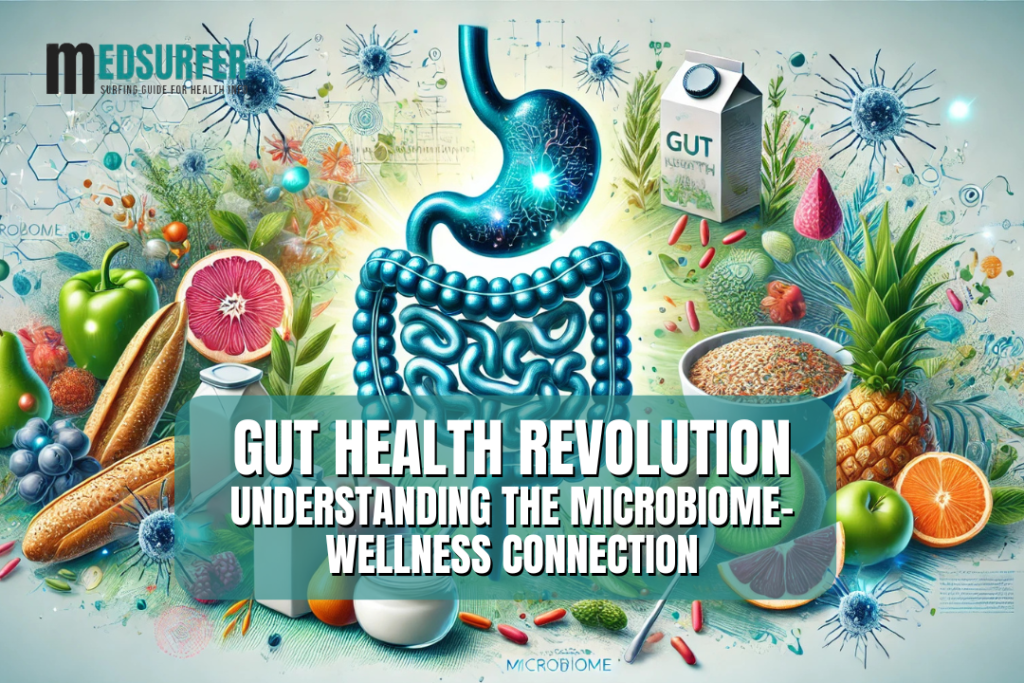
What Is the Gut Microbiome?
The gut microbiome consists of trillions of bacteria, fungi, viruses, and other microorganisms residing in your gastrointestinal tract. These microbes perform essential functions such as:
- Breaking Down Food: Assisting in digestion and nutrient absorption.
- Boosting Immunity: Supporting the immune system to fight infections.
- Regulating Mood: Producing neurotransmitters like serotonin.
A balanced gut microbiome contains diverse beneficial bacteria. When this balance is disrupted, it can lead to issues like inflammation, weight gain, or mental health challenges.
Why Gut Health Matters
The microbiome’s influence extends far beyond digestion. Here are some key connections between gut health and overall wellness:
1. Immunity
Did you know 70% of your immune system resides in your gut? Beneficial bacteria strengthen the gut lining, prevent harmful pathogens from entering the bloodstream, and modulate immune responses.
2. Mental Health
The gut-brain axis is a communication network linking your digestive system to your brain. The microbiome produces neurotransmitters like dopamine and serotonin, influencing mood, stress, and cognitive function.
3. Weight Management
Certain gut bacteria can impact metabolism and appetite regulation. A healthy microbiome may reduce cravings, promote fat burning, and prevent weight gain.
4. Inflammation Control
An imbalance in gut bacteria (dysbiosis) can trigger chronic inflammation, increasing the risk of conditions like arthritis, heart disease, and diabetes.
Signs of an Unhealthy Gut
How do you know if your gut needs attention? Watch for these warning signs:
- Frequent bloating, gas, or constipation
- Food intolerances or sensitivities
- Fatigue and low energy
- Skin issues like eczema or acne
- Frequent infections or weakened immunity
- Mood swings or anxiety
If you experience any of these symptoms, it may be time to focus on improving your gut health.
The Microbiome-Wellness Connection: What Science Says
Recent research highlights the profound impact of the microbiome on various aspects of health:
- Brain Function: Studies suggest probiotics can improve symptoms of depression and anxiety.
- Weight Loss: People with a diverse gut microbiome tend to have a healthier body weight.
- Longevity: A balanced microbiome supports healthy aging by reducing inflammation and maintaining cellular health.
These findings underscore the importance of nurturing your gut to achieve optimal wellness.
How to Support a Healthy Gut Microbiome
Maintaining a healthy gut involves lifestyle changes, dietary choices, and targeted supplementation. Here’s how you can start:
1. Eat a Fiber-Rich Diet
Fiber feeds beneficial bacteria in your gut. Include foods like:
- Whole grains (oats, quinoa)
- Fruits (apples, bananas, berries)
- Vegetables (broccoli, spinach, artichokes)
- Legumes (lentils, chickpeas)
2. Add Probiotics and Prebiotics
- Probiotics: These are live beneficial bacteria. Sources include yogurt, kefir, sauerkraut, and supplements.
- Prebiotics: These are non-digestible fibers that feed probiotics. Examples are garlic, onions, and bananas.
Recommended Product:
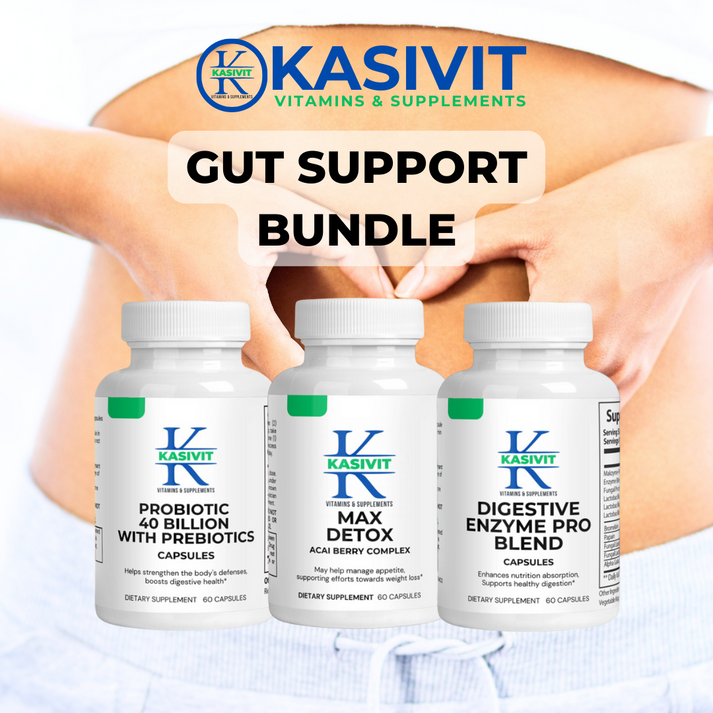
Kasivit Probiotics 40 Billion with Prebiotics – A high-quality, multi-strain probiotic with prebiotics to support gut and immune health. is a blend of four probiotic strains: Lactobacillus Acidophilus, Bifidobacterium Lactis, Lactobacillus Plantarum, and Lactobacillus Paracasei. Together, they provide a high level of beneficial bacteria to the gut to support a healthy metabolic response for both men and women.

3. Reduce Sugar and Processed Foods
A diet high in sugar and processed foods can feed harmful bacteria, disrupting the balance of your microbiome. Opt for whole, unprocessed foods whenever possible.
4. Stay Hydrated
Water supports digestion and helps maintain the mucosal lining of the gut, which is crucial for a healthy microbiome.
5. Prioritize Sleep
Poor sleep can negatively affect the gut microbiome. Aim for 7-8 hours of quality sleep per night.
6. Manage Stress
Chronic stress disrupts the gut-brain axis and leads to dysbiosis. Incorporate stress-relief techniques like yoga, meditation, or deep breathing exercises.
Top Gut Health Supplements
While diet is key, supplements can provide additional support. Here are some top picks:
- Probiotics – Reinforce the gut with beneficial bacteria.
- Recommended Product: Kasivit Probiotics 40 Billion with Pebiotics
- Digestive Enzymes – Aid in breaking down food for better absorption.
- Recommended Product: Digestive Enzyme Pro Blend
- Fiber Supplements – Boost fiber intake for better digestion.
- Recommended Product: Max Detox (Acai detox)
Gut Health Myths Debunked
With all the buzz around gut health, some misconceptions have emerged. Let’s set the record straight:
- Myth: Probiotics work instantly.
- Fact: It can take weeks or months to notice changes in gut health.
- Myth: All probiotics are the same.
- Fact: Different strains target specific health concerns. Choose strains tailored to your needs.
- Myth: You only need probiotics for a healthy gut.
- Fact: A balanced diet, stress management, and prebiotics are equally important.
The Role of Gut Health in Chronic Diseases
Poor gut health has been linked to a variety of chronic conditions, including:
- Irritable Bowel Syndrome (IBS): Dysbiosis is a common factor in IBS.
- Obesity: Imbalanced gut bacteria can promote fat storage.
- Diabetes: Gut microbiota influences insulin sensitivity.
- Autoimmune Diseases: A leaky gut may trigger autoimmune responses.
By focusing on the microbiome, you can reduce your risk of these conditions and improve your overall well-being.
The Future of Gut Health
The field of gut microbiome research is rapidly evolving. Upcoming innovations include:
- Personalized Probiotics: Custom formulations based on your unique microbiome.
- Gut Microbiome Testing: Advanced tests to identify imbalances and guide treatment.
- Microbiome-Targeted Therapies: Medications aimed at restoring gut balance.
These advancements promise to make gut health management more precise and effective than ever.
Conclusion
The gut health revolution is more than just a trend—it’s a cornerstone of wellness. By understanding and nurturing your microbiome, you can unlock benefits ranging from improved digestion to better mental health and immunity.
Start with simple lifestyle changes, incorporate gut-friendly foods, and consider adding high-quality supplements to your routine. Remember, a healthy gut is the foundation of a healthy life.
Explore these products to kickstart your gut health journey today and join the wellness revolution!


