

Discover what a urine test can reveal about your health. Learn how this simple test can diagnose infections, monitor chronic conditions, and provide insights into your overall well-being.
Have you ever wondered what doctors can learn from a simple urine test? A urine test, also known as a urinalysis, is a common medical test that examines your urine to provide valuable information about your health. In this article, we’ll explore what a urine test is, how it’s done, and what it can reveal about your body.
What is a Urine Test?
A urine test analyzes the content, concentration, and appearance of your urine. Your kidneys produce urine by filtering waste products and excess fluids from your blood. Doctors can gather important clues about your overall health by examining your urine.

How is a Urine Test Performed?
A urine test involves three main steps:
- Visual Examination: The first step is to examine the color, clarity, and overall appearance of your urine. Normal urine is usually clear and pale yellow. If your urine is cloudy, dark, or unusually colored, it might indicate a health problem.
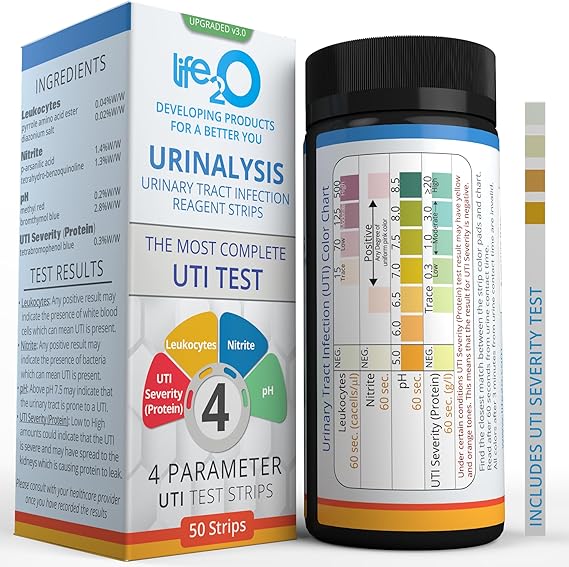
- Dipstick Test: In this step, a thin plastic strip called a dipstick is dipped into your urine (see image below). The dipstick has small pads that change color when they come into contact with certain substances. This test can measure the pH level of your urine and check for the presence of proteins, glucose (sugar), ketones, bilirubin, and blood. It can also detect signs of infections, such as nitrites and leukocytes.
- Microscopic Examination: The final step involves looking at a small sample of your urine under a microscope. This helps doctors identify cells, crystals, bacteria, and other substances that might not be visible to the naked eye.
What Can a Urine Test Reveal About Your Health?
A urine test can provide a wealth of information about your health. Here are some of the key things it can reveal:
- Urinary Tract Infections (UTIs): If you have a UTI, your urine might contain bacteria, white blood cells, and nitrites. UTIs can cause symptoms like burning during urination, frequent urination, and cloudy or foul-smelling urine.
- Kidney Health: A urine test can detect signs of kidney problems, such as proteins or blood in the urine. Healthy kidneys usually don’t allow these substances to pass into the urine.
- Diabetes: High glucose levels in urine can be a sign of diabetes. This condition occurs when the body can’t properly regulate blood sugar levels.
- Dehydration: Dark-colored urine can indicate dehydration, which means your body doesn’t have enough water. Staying hydrated is vital for overall health.
- Liver Health: Bilirubin, a substance produced by the liver, can indicate liver problems. Its presence in urine can be a sign of liver disease or damage.
- Pregnancy: A urine test can detect the presence of the hormone hCG produced during pregnancy. This is the basis for most home pregnancy tests.
- Metabolic Disorders: The presence of certain substances, like ketones, can indicate metabolic disorders. For example, high levels of ketones can be a sign of diabetic ketoacidosis, a serious complication of diabetes.
Why is a Urine Test Important?
A urine test is a simple, non-invasive test that can provide valuable insights into your health. It can help doctors diagnose infections, monitor chronic conditions, and detect early signs of diseases. By catching health issues early, you can receive timely treatment and improve your overall well-being.
How to Prepare for a Urine Test
Preparing for a urine test is easy. Here are a few tips to ensure accurate results:
- Stay Hydrated: Drink plenty of water before the test to ensure you can provide a sufficient urine sample.
- Avoid Certain Foods and Medications: Some foods and medications can affect the color and composition of your urine. Follow your doctor’s instructions on what to avoid before the test.
- Clean Catch Method: To avoid contamination, use the clean catch method. This involves cleaning the genital area before collecting the urine sample midstream.
Conclusion
A urine test is a powerful tool that can reveal much about your health. From detecting infections to monitoring chronic conditions, this simple test provides valuable insights to help you and your doctor make informed decisions about your well-being. If you ever need a urine test, remember that it’s a quick and painless way to learn more about your body’s health.


