

Discover how DNA testing is transforming personalized nutrition, offering tailored dietary plans based on individual genetic profiles. Learn about the science behind nutrigenomics and how it can optimize health and prevent diseases.
In a world where one-size-fits-all diets often fall short, personalized nutrition is emerging as a game-changing solution. By leveraging DNA testing, we can now tailor dietary plans to individual needs, helping people achieve better metabolic health, prevent diseases, and optimize overall well-being.
What is Personalized Nutrition?
Personalized nutrition combines advanced technology with insights from your unique biology—such as DNA, gut microbiome, and real-time biomarkers. This approach identifies the foods, nutrients, and lifestyle changes that will work best for your body’s specific needs. Gone are the days of guessing what diet might work for you. Now, you can use science-backed insights to create a plan that’s as unique as your genetic blueprint.
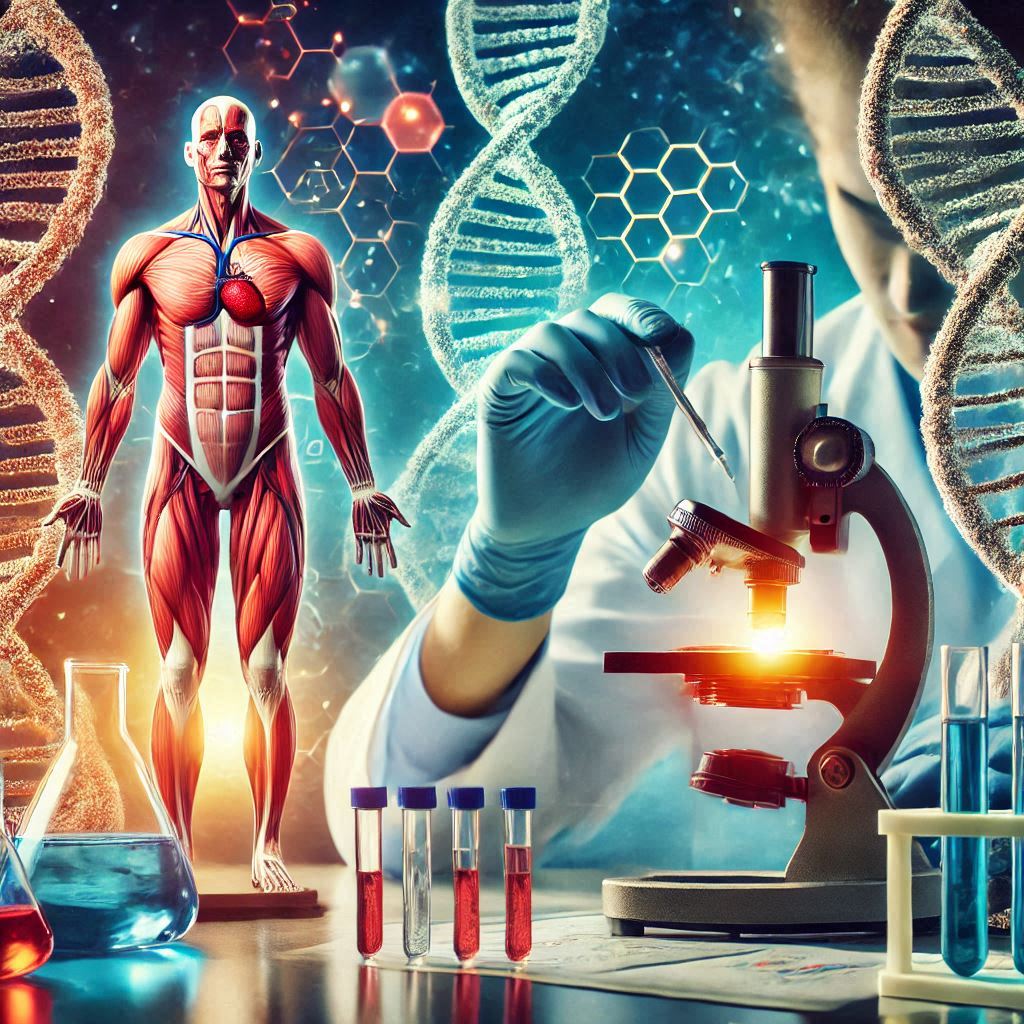
The Role of DNA Testing in Personalized Nutrition
DNA testing looks at your genetic makeup to uncover how your body metabolizes fats, carbs, and proteins, as well as your sensitivity to certain nutrients. Here are some key insights from DNA testing:
Metabolic Health
Understanding your metabolic health is essential for optimizing your diet. You can make informed dietary choices that align with your unique physiology by discovering whether your body responds better to a low-carb or low-fat diet. For instance, some individuals may find that a low-carb diet helps with weight management and energy levels, while others might thrive on a low-fat diet that incorporates more carbohydrates. Consulting with a healthcare professional can help you assess your metabolism through tests or evaluations to tailor a diet that suits your needs best.
Food Sensitivities
It is important to identify any potential food intolerances, which can impact your overall health and well-being. Common sensitivities include lactose intolerance, where individuals have difficulty digesting lactose, a sugar found in dairy products, and gluten sensitivity, which can cause discomfort and digestive issues in those who cannot properly process gluten, a protein found in wheat, barley, and rye. Recognizing these intolerances can help you make informed dietary choices, alleviate discomfort, and improve your quality of life. If you suspect you have food sensitivity, consider keeping a food diary and consulting a healthcare professional for proper evaluation and guidance.
Nutrient Needs
It’s important to assess your genetic predisposition to deficiencies in essential vitamins, particularly B12 and D. Certain individuals may have inherited traits that affect how their bodies absorb and utilize these nutrients, leading to a higher risk of deficiency.
Vitamin B12 is crucial for nerve function, the production of DNA, and the formation of red blood cells. A deficiency can lead to symptoms such as fatigue, weakness, and neurological issues. Factors that can contribute to B12 deficiency include a vegetarian or vegan diet, certain medical conditions, and age-related changes in absorption.
Similarly, vitamin D plays a vital role in maintaining healthy bones, supporting immune function, and regulating mood. Insufficient levels can result from limited sun exposure, certain health conditions, and variations in genetic makeup. This vitamin deficiency can contribute to bone disorders, fatigue, and an increased risk of chronic diseases.
To determine your specific nutrient needs, consider getting a genetic test or speaking with a healthcare provider. They can offer insights into your individual risks and recommend personalized strategies to ensure you meet your vitamin requirements through diet, supplementation, or lifestyle changes. Understanding your unique genetic profile can help you make informed decisions about your health and well-being.
Why Personalized Nutrition Matters
- Better Metabolic Health: Tailored plans optimize blood sugar control, weight management, and energy levels.
- Disease Prevention: Addressing genetic predispositions can reduce the risk of chronic diseases like diabetes, heart disease, and obesity.
- Sustainable Results: Unlike generic diets, personalized plans are designed to work with your body, making them easier to follow long-term.
- Real-Time Feedback: Wearable tech and AI tools help you adjust your diet based on how your body responds, ensuring continuous improvement.
The Science Behind Nutrigenomics
Nutrigenomics is the study of how food and nutrients interact with our genes. This field of science helps us understand how individual genetic differences affect our response to diet and nutrition. By analyzing genetic data, nutrigenomics can provide personalized dietary recommendations that are far more precise than traditional guidelines.
For example, some people may have a genetic predisposition to process fats differently, while others might be more susceptible to high blood sugar levels after consuming carbohydrates. By decoding this genetic information, nutrigenomics can help build a nutrition plan that caters to your specific needs.
Practical Applications of Personalized Nutrition
- AI-Powered Nutrition Plans: AI analyzes vast amounts of data, including your activity levels, food choices, and health goals, to provide real-time recommendations for optimal nutrition.
- Wearable Devices: Gadgets like continuous glucose monitors (CGMs) provide instant feedback on how your body reacts to specific foods, helping you make better meal choices.
- Genetic Testing Kits: Companies like 23andMe and AncestryDNA offer genetic testing kits that can provide insights into your nutritional needs based on your DNA. Discover your biological age with TruDiagnostic’s TruAge Complete Collection or PACE testing kit options.

The Future of Personalized Nutrition
As technology advances, the potential for personalized nutrition will only grow. Future developments may include more sophisticated genetic testing, improved AI algorithms, and greater integration with wearable tech. These innovations will make it even easier to create and follow personalized dietary plans that optimize health and prevent diseases.
Conclusion
Personalized nutrition, powered by DNA testing, is revolutionizing the way we approach diets and health. By tailoring dietary plans to individual genetic profiles, we can achieve better metabolic health, prevent chronic diseases, and enjoy sustainable results. As the science of nutrigenomics continues to evolve, the future of personalized nutrition looks incredibly promising


